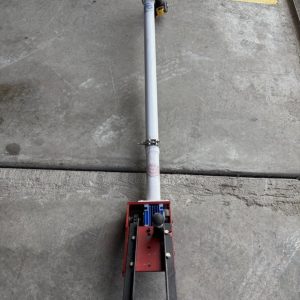
The Aircraft Electric Tow Bar – Mini Max Style offers a space-saving approach to aircraft handling for operators who want powered mobility without click here purchasing or storing a full-size tug. An Aircraft Electric Tow Bar may improve daily hangar operations by providing controlled powered assistance for moving a compatible aircraft.
A used Electric Tow Bar for Aircraft can provide strong practical value when its drive system, frame, connections, controls, and included accessories remain in good condition. When considering a Used Electric Aircraft Tow Bar, buyers should review its maintenance history, previous application, included accessories, current photographs, and operating demonstration.
The compact design of a Mini Max Aircraft Tow Bar makes it a practical option for individual aircraft owners, small maintenance shops, and shared hangar facilities. This package includes an Aircraft Tow Bar with Drill and an Aircraft Tow Bar with Charger, allowing the buyer to receive the primary powered components required for normal operation.
A Portable Aircraft Tow Bar allows operators to maintain powered aircraft-moving capability without permanently dedicating substantial floor space to ground equipment. The Electric Airplane Tow Bar configuration offers powered assistance for controlled movement while remaining compact enough for many private aviation environments.
This unit may appeal to buyers seeking Aircraft Ground Handling Equipment that is portable, straightforward, and intended for routine light-aircraft positioning. The package may be described as an Electric Aircraft Mover because it provides powered assistance for aircraft positioning without requiring a conventional motorized tug.
Understanding the Aircraft Electric Tow Bar – Mini Max Style
The Aircraft Electric Tow Bar – Mini Max Style uses compact powered assistance to help an operator reposition a compatible aircraft with less manual effort than a conventional unpowered tow bar. Successful operation depends on matching the tow bar to the aircraft, hangar layout, surface condition, incline, available clearance, and expected movement frequency.
The smaller configuration can allow closer operator involvement and improved visibility during slow aircraft positioning. The operator should stop immediately if visibility, traction, control, or aircraft clearance becomes uncertain during movement.
Choosing an Electric Tow Bar for Aircraft
The powered system can make aircraft movement more manageable for operators who find traditional pushing and pulling physically demanding. The equipment may support numerous routine tasks where controlled aircraft movement is necessary without starting the engine.
Moving an aircraft without engine power can reduce unnecessary propeller activity, exhaust, noise, fuel consumption, and airflow inside or near the hangar. Safe towing requires confirming that the aircraft is ready to move and that no equipment, personnel, or obstacles interfere with the planned path.
Evaluating a Used Electric Aircraft Tow Bar
Purchasing used equipment can be practical for owners who need occasional aircraft movement and do not require the cost or capacity of a large commercial tug. The seller reports that this unit was used with a Navion aircraft for approximately six months and replaced after an upgrade to a dedicated tow tug.
Buyers should request clear photographs of the frame, wheels, attachment assembly, powered drive, drill, charger, wiring, fasteners, handles, and areas showing wear. When an in-person inspection is not practical, a functional video can help confirm that the powered system operates under realistic conditions.
Choosing a Mini Max Aircraft Tow Bar
A Mini Max Aircraft Tow Bar can be particularly useful for private pilots, individual hangar owners, flying clubs, and small aviation businesses. A compact tow bar may be easier to maneuver around crowded hangar spaces than a wide or heavy tug.
A qualified person should review the attachment method and operating geometry before the tow bar is used on an unfamiliar airplane. Using an incorrect attachment can create slipping, binding, steering damage, fairing contact, tire damage, or loss of control during movement.
Aircraft Tow Bar with Drill Operation
An Aircraft Tow Bar with Drill can offer a simple and serviceable approach to powered ground handling by using a familiar rechargeable tool as the drive source. The selected drill must remain firmly connected to the drive system and should be inspected for heat, unusual noise, slipping, or excessive load.
The tow bar should be practiced without obstacles before it is used in a confined hangar or near another aircraft. After use, the drill and tow-bar drive should be inspected for heat, wear, looseness, contamination, damage, or abnormal operation.
Maintaining an Aircraft Tow Bar with Charger
Including the charger can simplify setup for the new owner and help maintain the drill battery between aircraft-moving operations. A functional test can confirm that the battery is recognized, charging begins correctly, indicator lights operate, and the unit completes a normal charging cycle.
Regular charging and proper storage can help preserve battery health, particularly when the tow bar is used only occasionally. A simple pre-use charging routine can prevent interruptions and reduce the risk of leaving an aircraft in an inconvenient location.
Portable Aircraft Tow Bar Advantages
A Portable Aircraft Tow Bar offers flexibility for users who operate from more than one hangar, travel between maintenance areas, or need equipment that can be moved easily within an aviation facility. Good transport practices preserve equipment condition and reduce the risk of losing small components that are necessary for operation.
The equipment should not be left where vehicles can drive over it or where fuel, oil, water, cleaning chemicals, or maintenance debris may accumulate. Labeling the tow bar and accessories can reduce confusion when several aircraft owners maintain similar tools in the same hangar.
Benefits of a Powered Aircraft Tow Bar
A Powered Aircraft Tow Bar can provide controlled force for moving an airplane while reducing dependence on manual pushing, pulling, or assistance from several people. A unit that appears powerful while unloaded may behave differently when attached to an aircraft on a slope, rough pavement, or high-resistance surface.
Operators should use slow speeds near hangar doors, walls, parked vehicles, tools, support stands, people, and other airplanes. A reliable stopping plan should include understanding drill release, reverse control, aircraft braking, chock placement, and the effect of any slope.
Electric Airplane Tow Bar Applications
An Electric Airplane Tow Bar may be especially beneficial for aircraft that must be positioned precisely because of limited door or wing clearance. The owner should compare the tow bar attachment with the specific airplane and verify that no part of the device contacts sensitive components.
The operator should avoid attempting movement when the ground condition exceeds the traction or control capability of the equipment. Operators should understand how the tow bar reacts before attempting a tight turn or backing the aircraft through a narrow doorway.
Choosing Aircraft Ground Handling Equipment
Private owners should consider whether they need occasional assistance, frequent daily movement, steep-slope capability, outdoor use, or commercial-level durability. A lower initial price does not always represent better value if the unit requires unavailable adapters, weak batteries, repairs, or extensive modification.
Any cracks, bending, unusual noise, slipping, electrical problems, or control concerns should be corrected before the equipment is used again. Equipment condition should be checked more frequently when the unit is shared, used outdoors, transported regularly, or operated on uneven surfaces.
Aircraft Hangar Tow Bar Benefits
The equipment can help owners position an aircraft consistently on floor markings, parking stops, charging locations, or maintenance access points. Floor markings or visual reference points can help operators stop the aircraft in a consistent location without approaching walls too closely.
The operator remains responsible for monitoring the aircraft, tow connection, ground surface, nearby people, and available clearance at all times. After parking, the aircraft should be chocked, secured, and disconnected according to normal hangar procedures.
Aircraft Moving Equipment Applications
The ideal Aircraft Moving Equipment allows one trained operator to reposition a compatible aircraft while maintaining close control and clear visibility. The equipment should accommodate normal aircraft weight as well as fuel, baggage, and installed equipment present during ground movement.
The landing gear and steering system should be handled within published limitations to prevent excessive rotation, binding, or structural stress. The tow equipment should be removed from service if it shows cracks, severe corrosion, bent structure, damaged controls, unreliable power, or an insecure aircraft connection.
Electric Aircraft Mover Maintenance
An Electric Aircraft Mover can offer lower storage demands and simpler operation for owners who do not need commercial towing capacity. Low tire pressure, brake drag, wheel chocks, tiedowns, steep slopes, damaged wheels, and obstacles should be ruled out before towing continues.
The drill and charger can be maintained separately, and compatible batteries may be replaced when capacity declines. Owners should still plan for battery aging, charger replacement, drill maintenance, worn drive parts, adapter needs, and general structural inspection.
Aircraft Mobility Equipment for Hangar Efficiency
Compact powered equipment may help operators use available floor space more effectively and maintain consistent aircraft parking positions. The operator may still require wing walkers, chocks, additional adapters, or other equipment depending on the aircraft and hangar arrangement.
Equipment should be labeled with compatible aircraft, attachment instructions, operating limits, battery requirements, and inspection responsibilities when used by multiple people. Moving to a hangar with a steeper ramp, rougher pavement, or narrower door may require different equipment or additional assistance.
Light Aircraft Tow Bar Selection
A Light Aircraft Tow Bar should be selected for the specific airplane, tow connection, operating weight, wheel arrangement, surface, and hangar layout. The buyer should identify the aircraft model, landing-gear configuration, tire or wheel-pant arrangement, and required attachment before ordering.
Addressing tire pressure, brake condition, wheel freedom, obstacles, and surface cleanliness can improve towing performance significantly. Any uncertainty about capacity, condition, compatibility, or operation should be resolved before the aircraft is attached.
Routine Care for Aircraft Ground Equipment
Maintenance requirements may be simple compared with a full-size tug, but the unit should not be treated as maintenance-free equipment. Inspection frequency should increase when the equipment is used outdoors, shared among several operators, transported regularly, or exposed to moisture and uneven surfaces.
- Confirm that the towing assembly is complete, structurally sound, correctly adjusted, and free from damage that could affect aircraft movement.
- Verify adequate battery charge, correct drill installation, smooth powered movement, functional reverse, predictable trigger control, and normal charging performance.
- Keep all accessories labeled and together so the tow bar remains complete, ready, and easy to inspect before the next use.
Final Thoughts on the Aircraft Electric Tow Bar – Mini Max Style
For the right aircraft and operating environment, the Aircraft Electric Tow Bar – Mini Max Style can provide controlled movement, manageable storage, and practical ownership value. Buyers can reduce risk by requesting photographs, operating videos, accessory details, measurements, previous-use information, secure payment terms, and documented shipping arrangements.
Whether the unit will support private ownership, maintenance work, shared hangar operations, or general aviation storage, training and equipment care are central to dependable performance. With realistic expectations, responsible handling, and consistent equipment care, this Mini Max-style tow bar can deliver meaningful value to aircraft owners and aviation facilities.